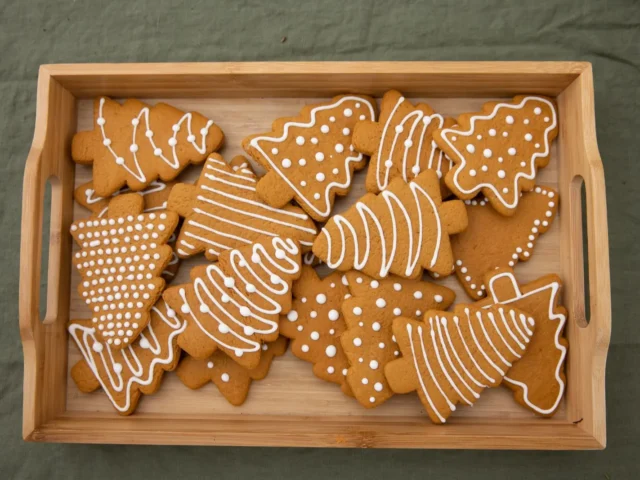
How to make salt dough decorations: recipe, baking and painting
Three cupboard ingredients make salt dough. Here is the recipe in grams and cups, oven, microwave and air-drying methods, fixes for dough that puffs, cracks or stays soft, and how to paint and store decorations so they last for years.
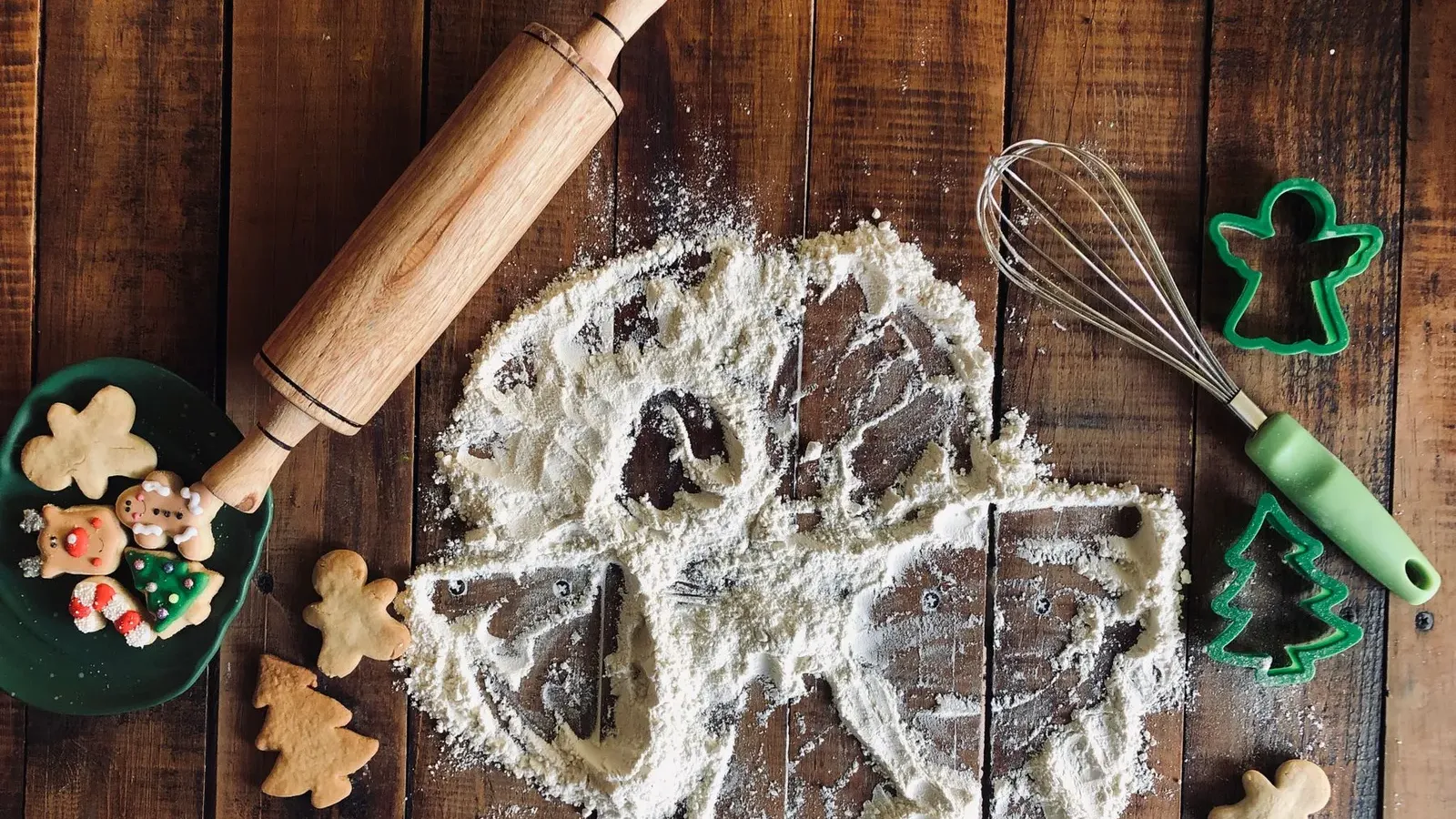
Salt dough is flour, salt and water mixed into a stiff dough, shaped and dried hard at a low heat. It costs very little, needs no special kit and makes Christmas decorations that last for years, as long as they are dried right through and sealed. Below you will find the recipe in grams and cups, how to shape decorations, oven, microwave and air-drying methods, fixes for the usual problems, and how to paint and store the finished pieces.
Salt dough recipe: 3 ingredients
This is the classic three-ingredient recipe. It makes one ball of about 500 g, enough for a tray of decorations.
- 250 g plain flour, not self-raising, which puffs up in the oven
- 125 g fine table salt
- 125 ml water
- Mix the flour and salt in a large bowl.
- Add the water a little at a time, stirring, until the mixture comes together into a ball.
- Knead on a floured surface for a few minutes until smooth. If it sticks to your hands, add a spoonful of flour; if it cracks or crumbles, add a few drops of water.
Cups instead of grams
With a cup or a mug, use 2 cups of plain flour, 1 cup of salt and up to 1 cup of water, added gradually. The cup version is saltier by weight, because salt is heavier than flour for the same volume, but both doughs work. Keep the ratio and any size of cup will do.
How to make salt dough Christmas decorations
- Roll the dough out on a floured surface or a sheet of baking parchment, 5 mm to 1 cm thick. Thin pieces dry faster; thicker ones are sturdier.
- Cut shapes with biscuit cutters: stars, hearts, trees, bells, gingerbread men.
- Make a hanging hole near the top of each shape with a drinking straw or the end of a skewer.
- Press in texture before drying: a rubber stamp, a piece of lace, a leaf or a sprig of fir.
- Write a name and the year on the back with a cocktail stick.
- Lift the shapes onto a baking tray lined with baking parchment.
Five salt dough decoration ideas
- Handprint or footprint: roll a 1 cm slab, press the hand in firmly and cut round it with a knife.
- Stamped stars: cut stars and stamp a pattern or a set of initials into each one.
- Coloured dough: knead food colouring gel into the dough before shaping, so the colour runs right through.
- Beaded rounds: press glass beads, seeds or sea glass into round shapes before drying.
- Gift tags: cut rectangles with a hole at one end and stamp a name into each, to tie onto presents.
Making salt dough with children
Children can do the rolling, cutting, stamping and painting; keep the oven, the microwave and the varnish for an adult. Our guide to Christmas crafts for kids sorts more ideas by age, and the Kids & Elf collection has kits for the rest of December.
How long to bake salt dough, and at what temperature
Salt dough is dried rather than baked: low heat drives out the water without puffing the dough up. The slower it dries, the flatter and paler it stays, so keep the heat low and give it time.
| Method | Heat | Time | Notes |
|---|---|---|---|
| Lowest oven setting | As low as your oven goes | About 3 hours, or until solid | The method in the classic recipe; turn the pieces now and then |
| Low oven | 140°C | Around 3 hours | GoodTo’s recipe, for pieces rolled 1 cm thick |
| Microwave | Normal power | Short bursts | Check after every burst or it burns |
| Near a radiator | Room heat | Days rather than hours | Turn the pieces occasionally |
| Air drying indoors | Room temperature | The slowest method | Slower still in damp weather |
Is it better to air dry or bake salt dough?
In a British December, bake it. Indoors, air drying takes days rather than hours, and damp weather slows it further. Whichever you choose, re-poke the hanging holes partway through: the dough spreads a little as it dries and holes can close up.
How to tell when salt dough is done
It is done when it is hard all the way through, underside included. Turn a piece over: if the back feels soft, or cool and damp, give it longer. Thin pieces finish first, so take them out and leave the thick ones in.
Why salt dough puffs, cracks or stays soft
| Problem | Likely cause | Fix |
|---|---|---|
| Puffed up or bubbled | Oven too hot, or self-raising flour | Lower the heat and use plain flour |
| Browned | Oven too hot | Lower the heat; paint over light browning |
| Still soft after drying | Pieces too thick, time too short or a damp room | Give it longer at a low heat and turn the pieces |
| Hanging hole closed | The dough spreads as it dries | Re-poke the holes partway through |
| Cracked | Dough too dry when shaped, or dried too fast | Fill small cracks with PVA glue; large ones cannot be mended |
| Burnt in the microwave | Bursts too long | Use short bursts and check each time |
| Mould months later | Damp storage or unsealed dough | Dry fully, varnish and store somewhere dry |
Painting and sealing salt dough decorations
Let the pieces cool completely before you paint them.
- Paint with acrylic paint. Avoid thin, watery paint, which soaks in and softens the surface. Felt-tip pens are fine for small details.
- Once the paint is dry, add a coat of craft varnish, a decoupage glue such as Mod Podge or a spray acrylic sealer. Seal the back and the edges as well as the front, so damp cannot get in.
- Thread ribbon or twine through the hole and knot it.
For a natural look, leave the dough unpainted and seal it with a matt varnish, or brush gold paint just round the edges.
Salt dough is not food, and the salt makes it toxic to dogs and cats. The Pet Poison Helpline lists vomiting, diarrhoea, lack of coordination and excessive thirst or urination among the signs of salt poisoning, with tremors and seizures in severe cases. Dry and store decorations out of reach, hang them high on the tree and call your vet straight away if a pet eats one.
How long salt dough decorations last, and how to store them
Dried right through, sealed and kept dry, salt dough decorations last for years. Damp is what ruins them: the usual failure is mould after a year in a humid box.
- Wrap each piece in tissue paper or newspaper.
- Keep the box somewhere cool and dry, not in a damp garage or shed.
- Unbaked dough keeps for a week or longer in an airtight container, so you can mix one day and shape the next.
Homemade pieces sit happily next to bought glass on the tree. Fill the gaps with plain Christmas baubles in one colour from your painted decorations, and see our tree decorations for hangers, toppers and garlands.

The Christmas Workshop
White angel tree topper, diamante bodice, feathered wings, 30 cm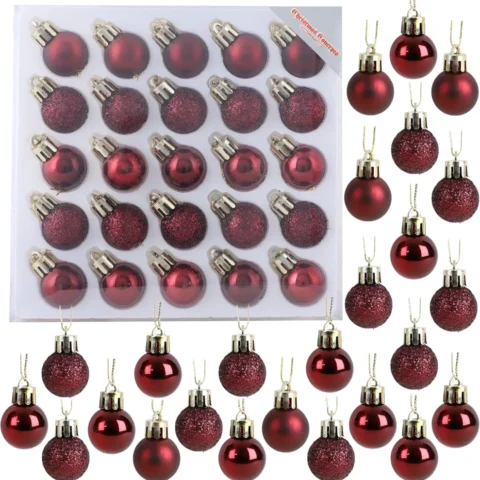

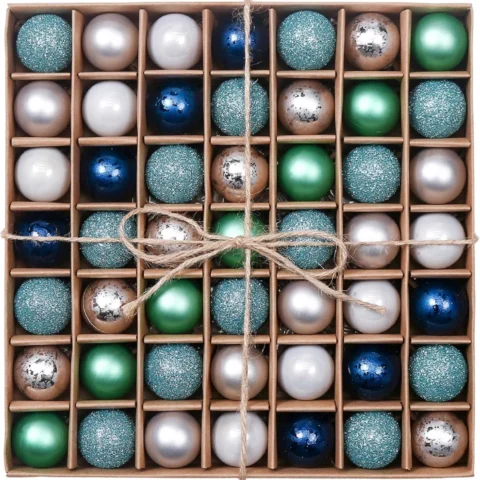
Salt dough is one of many decorations you can make at the kitchen table; our list of DIY Christmas decorations has 19 more, from dried orange slices to paper stars, and the full range of Christmas tree decorations covers whatever you would rather buy.
Frequently asked questions
How do you make salt dough in the UK?
Mix 250 g plain flour with 125 g fine table salt, then add 125 ml water a little at a time until it forms a smooth ball. Shape it, then dry it on the oven’s lowest setting for about 3 hours, or until solid. Use plain flour, not self-raising, or the pieces puff up.
Is it better to air dry or bake salt dough?
Baking is quicker and more reliable in winter: about 3 hours in a low oven. Air drying, by a radiator or at room temperature, takes days rather than hours, and longer in damp weather. Pieces left soft inside can go mouldy later.
Why won’t my salt dough harden?
It has not dried right through, usually because the pieces are thick, the drying time was short or the room is damp. Put them back in a low oven, turn them over and check the underside before you take them out. Rolling the dough no thicker than 1 cm helps next time.
How long does salt dough last?
Decorations that are dried right through, varnished and stored somewhere dry last for years; the main risk is mould from damp storage. Unbaked dough keeps for a week or longer in an airtight container.
What kind of salt is best for salt dough?
Fine table salt, which mixes evenly into the flour. Coarse sea salt or rock salt gives a gritty dough unless you dissolve it in warm water first, as some recipes do.
Is salt dough the same as playdough?
They start from the same base of flour, salt and water but do different jobs. Shop-bought play dough adds ingredients such as lubricants, preservatives and humectants so it stays soft for play, while salt dough is meant to dry hard and keep its shape.
What can I use instead of salt dough?
Air-dry modelling clay needs no oven and comes ready to use. For bright white decorations, some crafters mix bicarbonate of soda, cornflour and water instead. For decorations you mean to eat rather than keep, use a biscuit dough.
Is salt dough safe for dogs?
No. Eating salt dough can give dogs and cats salt poisoning, which needs a vet quickly. Hang salt dough decorations high on the tree, keep spare pieces in a closed box and ring your vet at once if a pet chews one.